
Skip links

Cities

List of Cities

Al Ahsa
Areguá
Aswan
Ayacucho
Baguio City
Ballarat
Bamiyan
Bandar Abbas
Barcelos
Bida
Biella
Bukhara
Bursa
Cairo

Caldas da Rainha
Carrara
Castelo Branco
Chiang Mai
Chordeleg
Como
Duran
Fabriano
Gabrovo
Gimhae
Hangzhou
Hoi An
Icheon
Isfahan

Jacmel
Jaipur
Jingdezhen
Jinju
João Pessoa
Kanazawa
Kargopol
Kütahya
Limoges
Lubumbashi
Madaba
Manises
Montecristi
Nakuru

Nassau
Ouagadougou
Paducah
Pasto
Pekalongan
Perth
Porto-Novo
San Cristóbal de las Casas
Santa Fe
Sharjah
Sheki
Sokodé
Srinagar
Sukhothai

Surakarta
Suzhou
Tambasasayama
Tétouan
Trinidad
Tunis
Ulaanbaatar
Umngeni Howick
Viljandi
Weifang

Ponorogo

City of Crafts and Folk Art since 2025

All Crafts
All Folk Art
Celebrations
Dance
Pottery
Traditional Music
Ponorogo

City of Crafts and Folk Art since 2025

City presentation

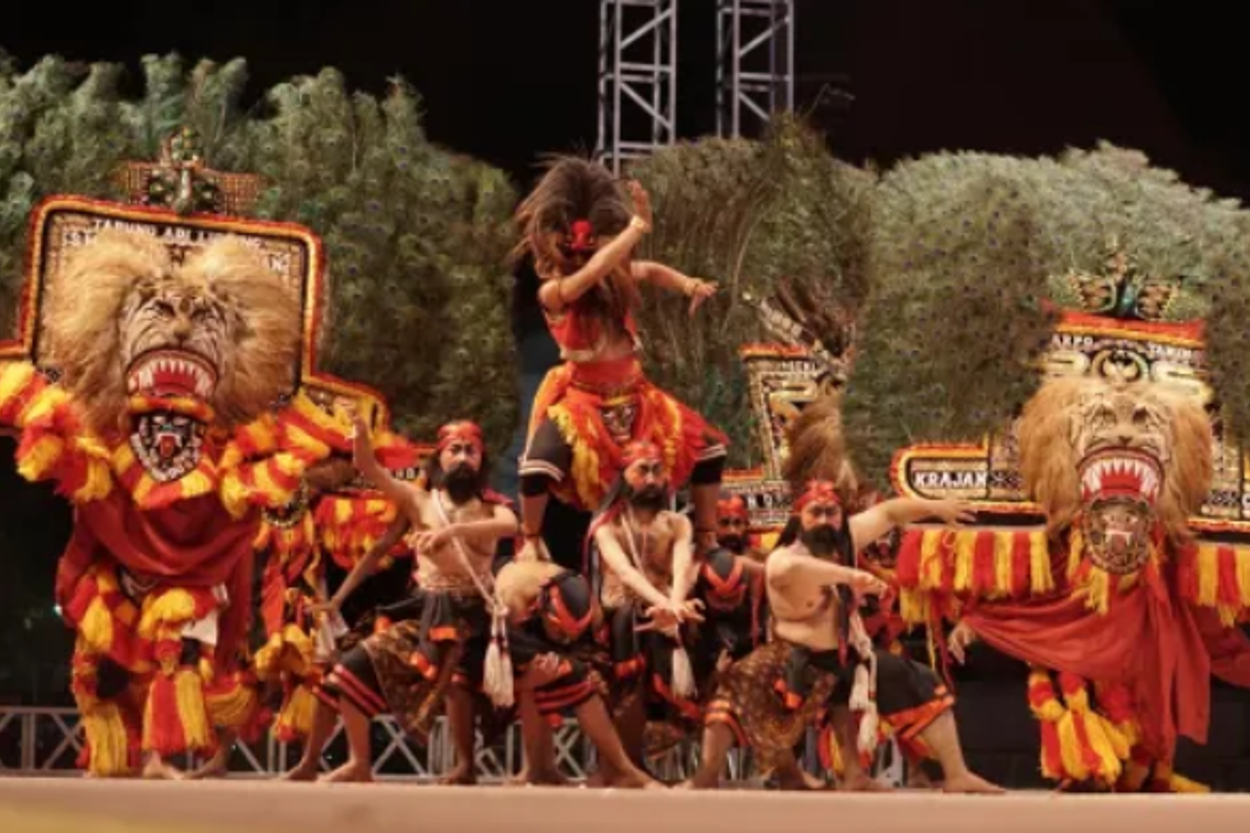
Tucked into an intermontane basin in eastern Java, Ponorogo is a city where traditional practices run deep, sustained by a dense network of villages that function as living cultural units. Mutual cooperation and creative expression are woven into daily life, giving the city a distinctive social character. Its most celebrated tradition is Reog Ponorogo, a dance drama rooted in the city’s founding history and performed without interruption since the fifteenth century. Far more than a performance, Reog sustains an entire craft ecosystem: giant masks, elaborate costumes, accessories and traditional musical instruments are produced by specialist artisans, with nearly every village maintaining its own studio for training and transmission across generations. Batik, pottery and bone-based crafts linked to the prehistoric Sampungian heritage round out a diverse artisanal landscape. The creative sector drives the local economy in tangible ways — over 42,000 small and medium enterprises were recorded in 2023, while the Reog ecosystem alone brings together 365 communities and more than 23,000 performers. Over 300 cultural facilities, open-air stages and community studios provide the infrastructure for production and exchange, with the National Reog Festival and the Creative Reog Art Festival serving as flagship platforms for innovation and professional dialogue.

Contacts

Mr. creative.city.ponorogo@gmail.com

Porto-Novo

City of Crafts and Folk Art since 2017

All Crafts
All Folk Art
Metal
Pottery
Traditional Music
Porto-Novo

City of Crafts and Folk Art since 2017

City presentation

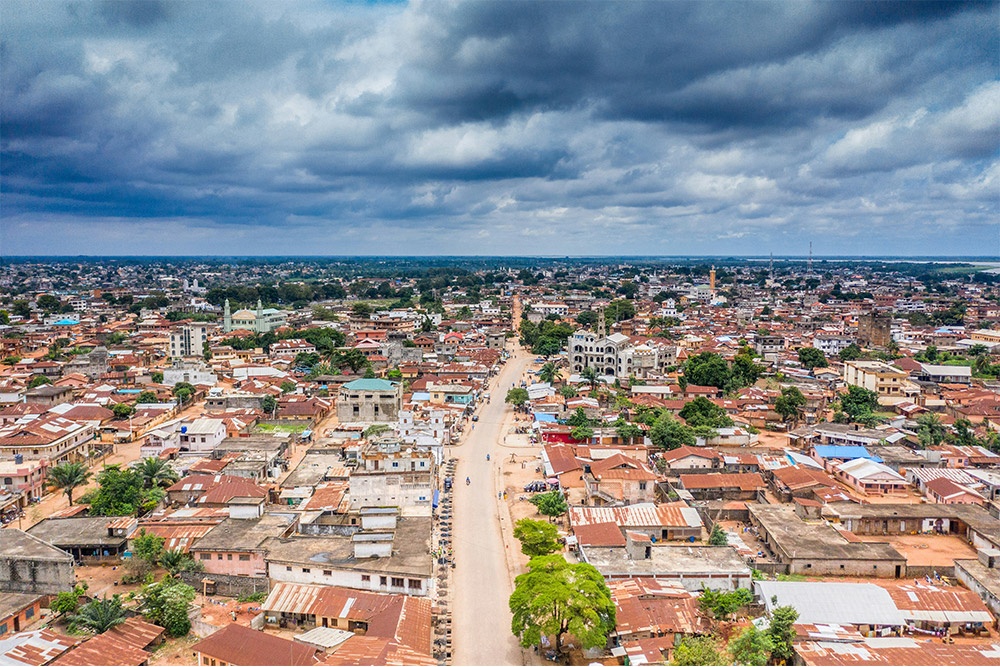
Porto-Novo, Benin’s capital with a population of 300,000, has a unique cultural identity shaped by its colonial past and diverse migratory influences. The city is known for its rich artisanal traditions, organized into 42 craft guilds, with families specializing in crafts like blacksmithing, pottery, and musical instrument making. Artists and artisans, particularly women, play a crucial role in shaping the city’s sustainable development.
Porto-Novo hosts cultural events like the International Festival of Arts and Culture and Urban Outbreak Festival-Workshops, which showcase contemporary art and urban renovation. The city aims to further strengthen the role of culture in urban planning, foster regional and international cooperation, and enhance youth training in crafts and folk art. Through these efforts, Porto-Novo seeks to position itself as a Creative City of Crafts and Folk Art, making culture a key driver for human and urban development.

Contacts

Mr. Richard Hounsou
richlys2001@yahoo.fr

Safi

City of Crafts and Folk Art since 2025

All Crafts
Pottery

Safi

City of Crafts and Folk Art since 2025

City presentation

Perched on Morocco’s Atlantic coast, Safi grew into a strategic port where centuries of maritime trade, fishing and agricultural exchange left a lasting imprint on the city’s urban fabric and creative culture. A historic medina, coastal fortifications and dedicated craft quarters tell the story of a city shaped by multiple cultural influences. It is pottery, however, that most distinctly defines Safi’s identity — a tradition practiced for centuries on the city’s Potters Hill and in its Potters Village, where kilns, glazing techniques and the city’s signature blue and white motifs have been passed down within families and cooperatives alike. With over 200 workshops employing between 1,500 and 2,000 people and generating around USD 2.5 million in annual revenues, ceramics remain both a living craft and a pillar of the local economy. The National Museum of Ceramics and the Specialized Institute of Traditional Arts provide the institutional backbone for conservation, training and research, while craft fairs and ceramic symposia keep the city connected to the wider world of contemporary craftsmanship.

Contacts

Mr. creative_city_safi@outlook.com

San Cristóbal de las Casas

City of Crafts and Folk Art since 2015

All Crafts
All Folk Art
Celebrations
Embroidery
Jewelry
Metal
Pottery
Wood

San Cristóbal de las Casas

City of Crafts and Folk Art since 2015

City presentation

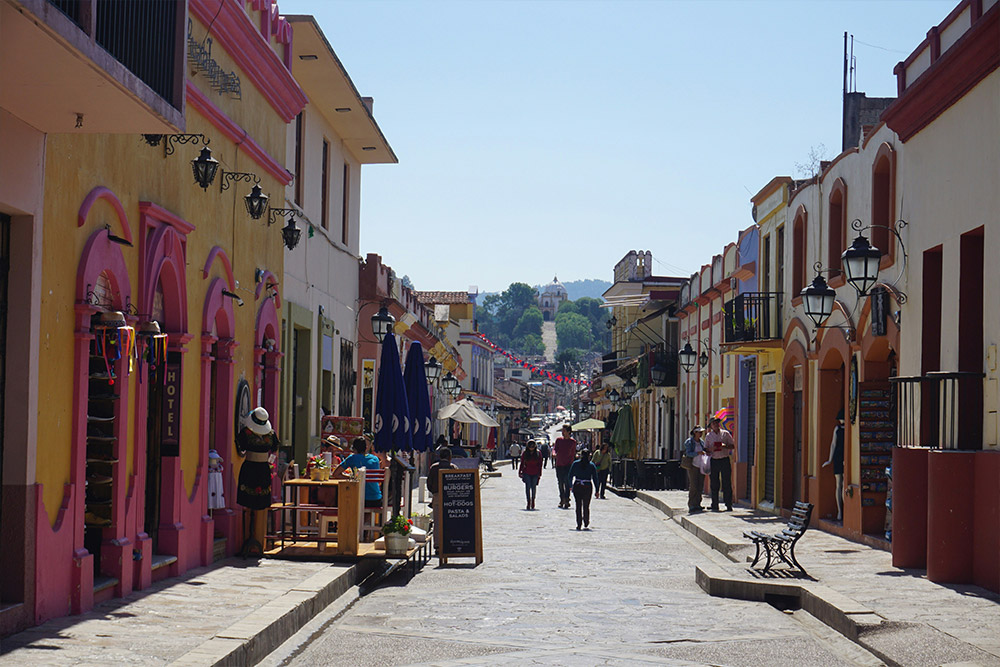
San Cristóbal de las Casas, located in Chiapas, Mexico, has a population of 186,000, with a strong presence of indigenous communities who contribute significantly to the city’s crafts and folk art sector. This sector is the main driver of the local economy, with traditional crafts like blacksmithing, pottery, woodcarving, amber jewellery, and embroidery showcased across ten neighbourhoods.

Deeply connected to ancestral traditions, crafts foster social cohesion and intercultural dialogue. The city’s long-standing Spring Fair and Peace, held every April, celebrates local art and empowers indigenous women. In 2012, San Cristóbal launched the Maya World Textile AC Centre, benefiting 800 artisans from 30 indigenous communities, becoming a national model for promoting and protecting crafts.

Contacts

Mr. Isaac Jonatan Cordero Hernández
sancristobalcreativa@gmail.com

Sheki

City of Crafts and Folk Art since 2017

All Crafts
All Folk Art
Celebrations
Glass
Pottery
Wood

Sheki

City of Crafts and Folk Art since 2017

City presentation

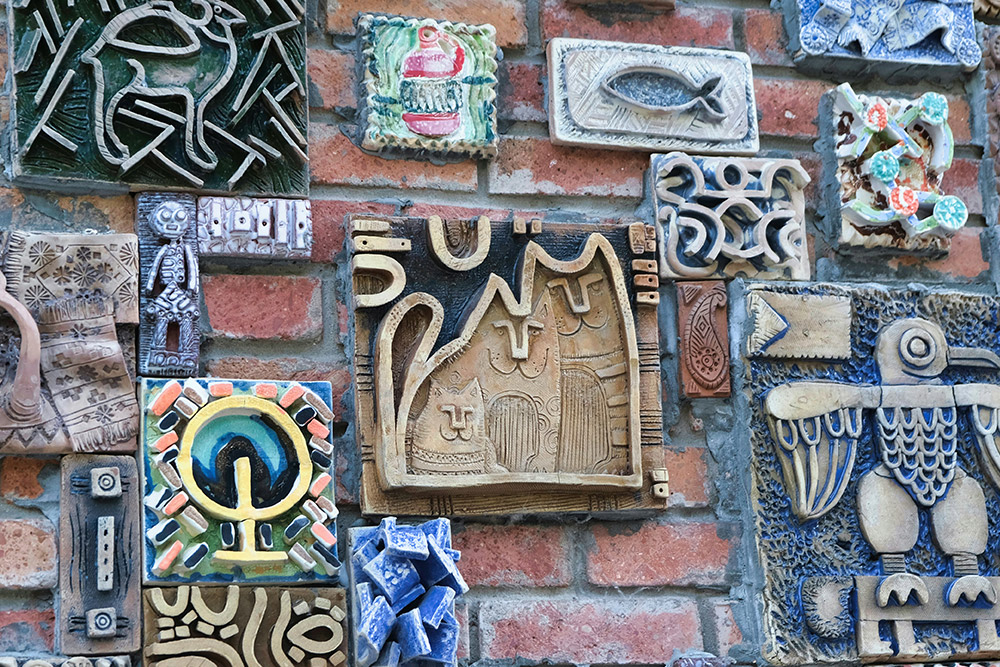
Sheki, one of the oldest cities in Azerbaijan with a population of 172,000, is renowned for its rich architectural heritage, sericulture, and traditional crafts. Historically significant as a stronghold on the Silk Roads, Sheki showcases well-preserved monuments and is known for its unique crafts, particularly shebeke (wooden-framed stained glass) and pottery. The city remains a major silk production center in the Caucasus, with crafts accounting for 14.4% of its income and employing 253 craftsmen, including 59 women.

To support the crafts sector, the Sheki Crafts Association was established in 2006 through the World Bank’s Azerbaijan Cultural Heritage Project. The association organizes craft fairs, conferences, and training sessions to enhance working conditions, develop entrepreneurial skills, and raise awareness of traditional crafts among youth. Recent initiatives by the municipality have promoted employment and social security for artisans, contributing to a 22.3% increase in craft sector employment from 2013 to 2014. Efforts to protect intellectual property rights have further empowered Sheki’s craftsmen by establishing a new legislative framework for their creative works.

Contacts

Mr. Orkhan Huseynli
creative_city_sheki@sheki-ih.gov.az

Sifnos

City of Crafts and Folk Art since 2025

All Crafts
Pottery

Sifnos

City of Crafts and Folk Art since 2025

City presentation

A small island municipality in the central Aegean Sea, Sifnos has been shaped over millennia by its insular geography, natural environment and tight-knit community structures. At the heart of its cultural identity lies pottery, a practice with roots stretching back to antiquity and sustained through unbroken family transmission across generations. Traditional output ranges from cooking vessels, storage jars and tiles to decorative pieces reflecting Cycladic forms and aesthetics — objects that remain in everyday use in households, restaurants and festivals, binding craft to gastronomy in a distinctly functional relationship. In 2022, Sifnos pottery was included in Greece’s National Inventory of Intangible Cultural Heritage. Twenty family-run workshops operate on the island today, providing direct employment to around 18% of the local population. The city welcomed approximately 152,000 visitors in 2024, with crafts forming an integral part of its cultural and economic offer. Six museums, including the Sifnos Ceramic Museum, and more than ten cultural associations underpin a rich ecosystem of preservation, education and public engagement, complemented by pottery open days, gastronomy festivals and university partnerships that keep skills transmission and professional development alive.

Contacts

Mr. creative_city_sifnos@sifnos.gr

Sukhothai

City of Crafts and Folk Art since 2019

All Crafts
Jewelry
Metal
Pottery
Textile

Tambasasayama

City of Crafts and Folk Art since 2015

All Crafts
All Folk Art
Celebrations
Dance
Pottery
Tambasasayama

City of Crafts and Folk Art since 2015

City presentation

Located in Japan’s Hyōgo region, Tambasasayama is renowned for its rich diversity of over 4,700 crafts and folk art expressions, most notably tanba-yaki pottery. This ancient craft, passed down for over eight centuries, is one of Japan’s “Six Old Kilns” and remains a source of local pride. The Tanba-yaki Pottery Festival, held annually at the Museum of Ceramic Art, attracts over 140,000 visitors worldwide, showcasing the best of this pottery. Tambasasayama also hosts the Dekancho Festival, celebrating the traditional bon-odori folk dance.

To support its crafts sector, the city has implemented various training programs and cooperative associations, promoting sustainable urban development. As a Creative City of Crafts and Folk Art, Tambasasayama aims to pass on tanba-yaki skills to future artisans, establish a school for innovation, foster artistic exchanges, and strengthen ties with other Creative Cities to explore connections between crafts and gastronomy.

Contacts

Mr. Tatsuaki Koyama
creative_city_sasayama@gw.city.sasayama.hyogo.jp

Tétouan

City of Crafts and Folk Art since 2017

All Crafts
All Folk Art
Celebrations
Embroidery
Metal
Pottery
Traditional Music
Wood

Tétouan

City of Crafts and Folk Art since 2017

City presentation

With a population of 400,000, Tétouan is Morocco’s second-largest economic hub in the Tanger-Tétouan-Al Hoceima region. The city’s craft traditions date back to its 15th-century founding, and its urban planning reflects its craftsmanship, with specialized craft neighborhoods for Zellige, Taajira embroidery, and wood and ironwork. Drawing from its Arab-Andalusian heritage, Tétouan’s arts and crafts are known for their masterful craftsmanship, supported by nearly 6,000 craft units and 150 young artisans entering the market annually.

Crafts in Tétouan play a significant role in community-building and contribute to the local economy. Events like the Rencontres des Artisans and the Marché au fil du temps, held alongside the Women’s Voices International Music Festival, showcase local artisans, particularly women. Tétouan’s Urban Development Programme and Regional Development Plan have upgraded community spaces, modernized craft infrastructure, and supported the federation of craft guilds to promote networking and training opportunities.

Contacts

Mr. Rachid Amjad
tetouancreative@gmail.com

Umngeni Howick

City of Crafts and Folk Art since 2023

All Crafts
All Folk Art
Artistic Sculptures
Celebrations
Pottery
Umngeni Howick

City of Crafts and Folk Art since 2023

City presentation

Umngeni Howick, located along the Midlands Meander tourist route in South Africa, is home to over 170 craftspeople working in diverse fields such as ceramics and sculpture. The city and the nation actively support its artisans through initiatives like the Zulu Mphopomeni Tourism Enterprise programme, which is community-led and aims to ensure the economic sustainability of craftspeople while revitalizing Zulu culture. In collaboration with the Midlands Meander association, Umngeni Howick and the nation have trained 50 craftspeople and are planning to launch an online platform to help artisans sell their products.

As a UNESCO Creative City, Umngeni Howick is focused on elevating local crafts through events like the planned Indaba craft festival, modeled after Cape Town’s Indaba design festival. This initiative aims to highlight local talent and foster intercultural dialogue by inviting craftspeople from other Creative Cities. Another planned festival will celebrate craftspeople preserving Zulu cultural heritage, aligning the city and the nation with UNESCO’s efforts to support indigenous communities.

Contacts

Mr. Mgaga Thando
thando.mgaga@umngeni.gov.za

Viljandi

City of Crafts and Folk Art since 2019

All Crafts
All Folk Art
Celebrations
Metal
Pottery
Textile

Viljandi

City of Crafts and Folk Art since 2019

City presentation

Viljandi, a city of 17,400 inhabitants, boasts a rich cultural landscape, highlighted by the Tartu University Viljandi Culture Academy, which specializes in native crafts. The city is home to 2,780 registered enterprises, with 738 linked to creative fields, contributing significantly to the local economy and providing social benefits. Key industries include blacksmithing, ceramics, and Estonia’s only prototyping wool mill.

Viljandi celebrates its crafts heritage through the Estonian Traditional Music Centre, hosting the annual Viljandi Folk Music Festival, which attracts over 20,000 visitors. Since 2014, the city has also organized the Craft Camp Estonia, promoting traditional handicraft techniques and blending old and new methods. To support the creative sector, Viljandi provides financial stipends to local artists and craftspeople, enabling them to focus on their work and promote their creations while preserving national culture.

Contacts

Mr. Villem Varik
visit@viljandi.ee
Crafts
Folk Art
Reset Filter