Hebron (Al-Khalil), located in the southern West Bank, Palestine, is one of the oldest continuously inhabited cities in the world, with a history spanning more than 6,000 years. Home to approximately 300,000 residents within its municipal boundaries and serving as the economic and cultural center of a Governorate of over 850,000 people, Hebron has long been a hub of commerce, craftsmanship, and cultural exchange. The city’s identity is inseparable from its artisans: more than 1,200 craftspeople continue to shape traditional glassblowing, handmade ceramics, pottery, Palestinian embroidery (tatreez), stone and marble carving, leather manufacturing, and olive wood handicrafts, passing skills from generation to generation while adapting them to contemporary design. At the heart of Hebron lies its Old City, a living heritage site of historic markets, traditional architecture, and vibrant artisan workshops, inscribed on the UNESCO World Heritage List in 2017 for its Outstanding Universal Value. The city is also home to the Ibrahimi Mosque, one of the world’s most significant religious and historical landmarks, reflecting Hebron’s profound spiritual and cultural legacy. Recognized as a UNESCO Creative City of Crafts and Folk Art since 2015 and a member of UCLG-MEWA, Hebron blends its historic legacy with contemporary creativity, promoting culture as a driver of sustainable development, social inclusion, and economic resilience.
300.000
Population
+1.200
Artisans
+6.000
Years of history
2025
UNESCO Creative City since
Brief Insights

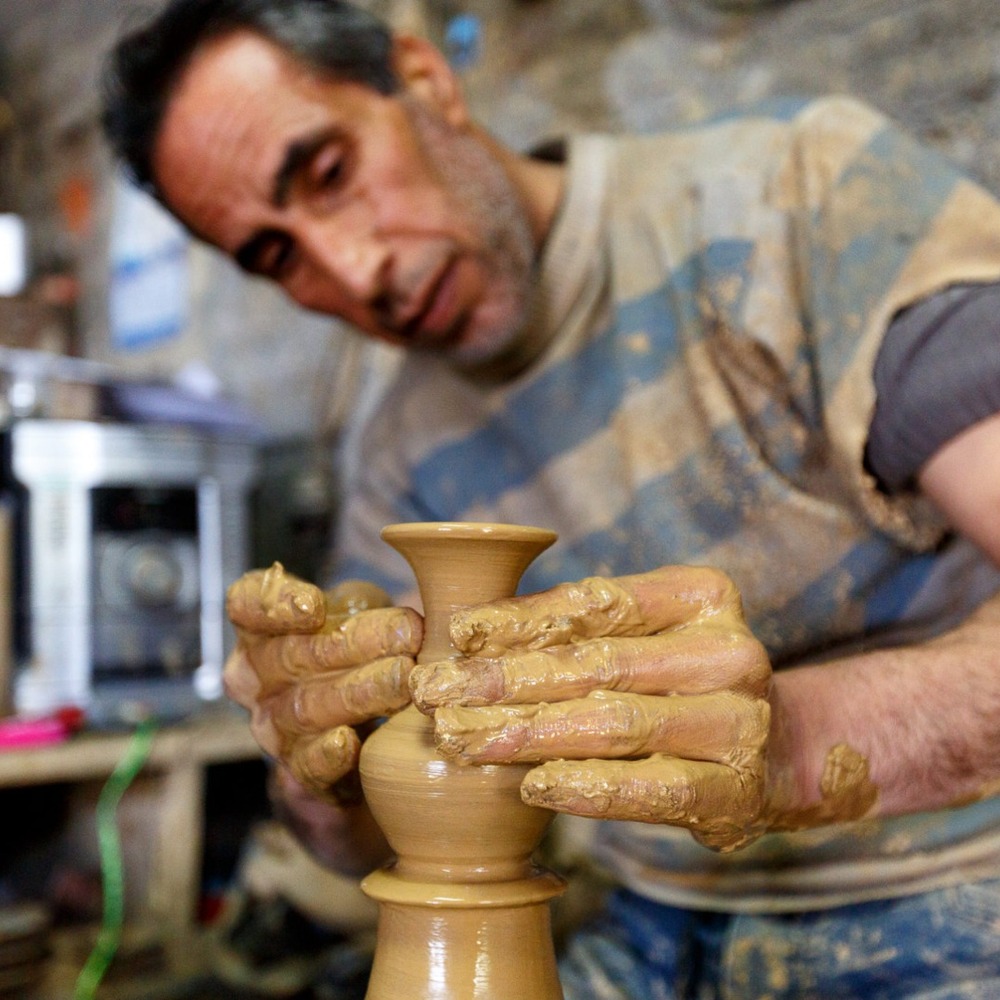
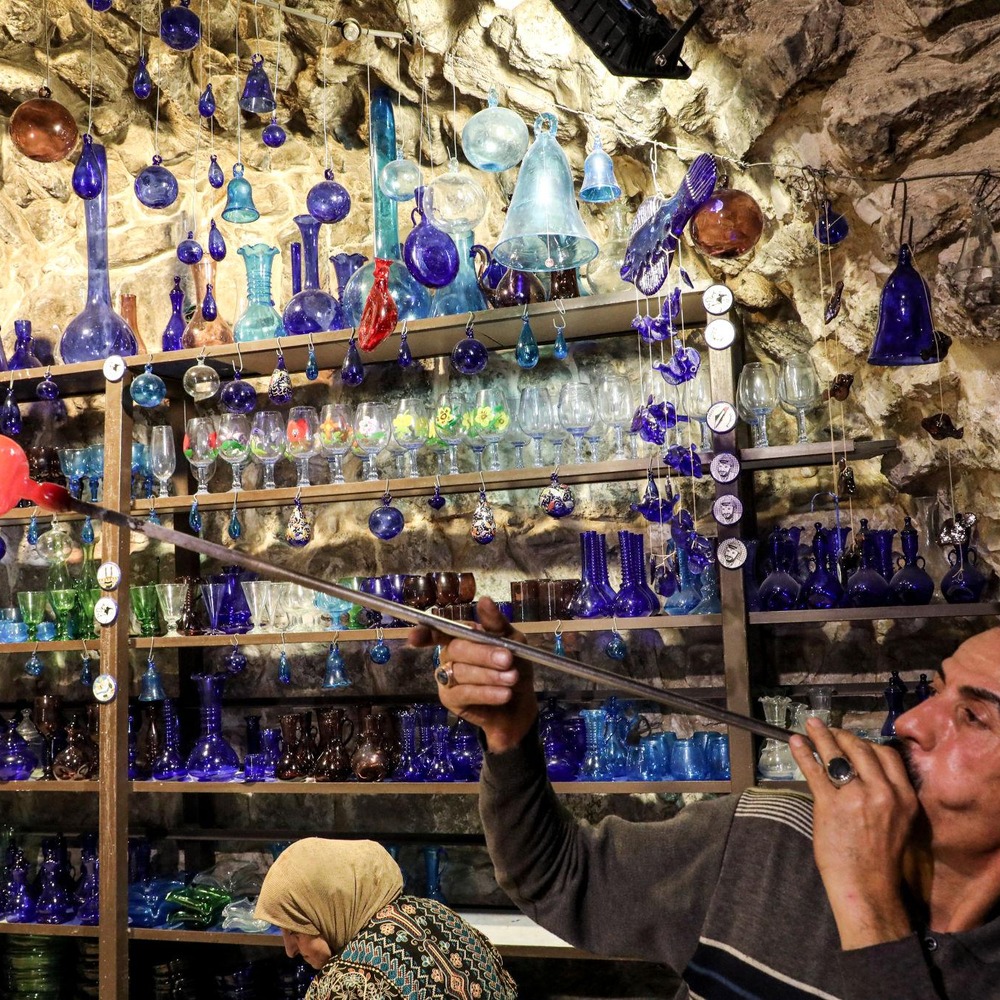
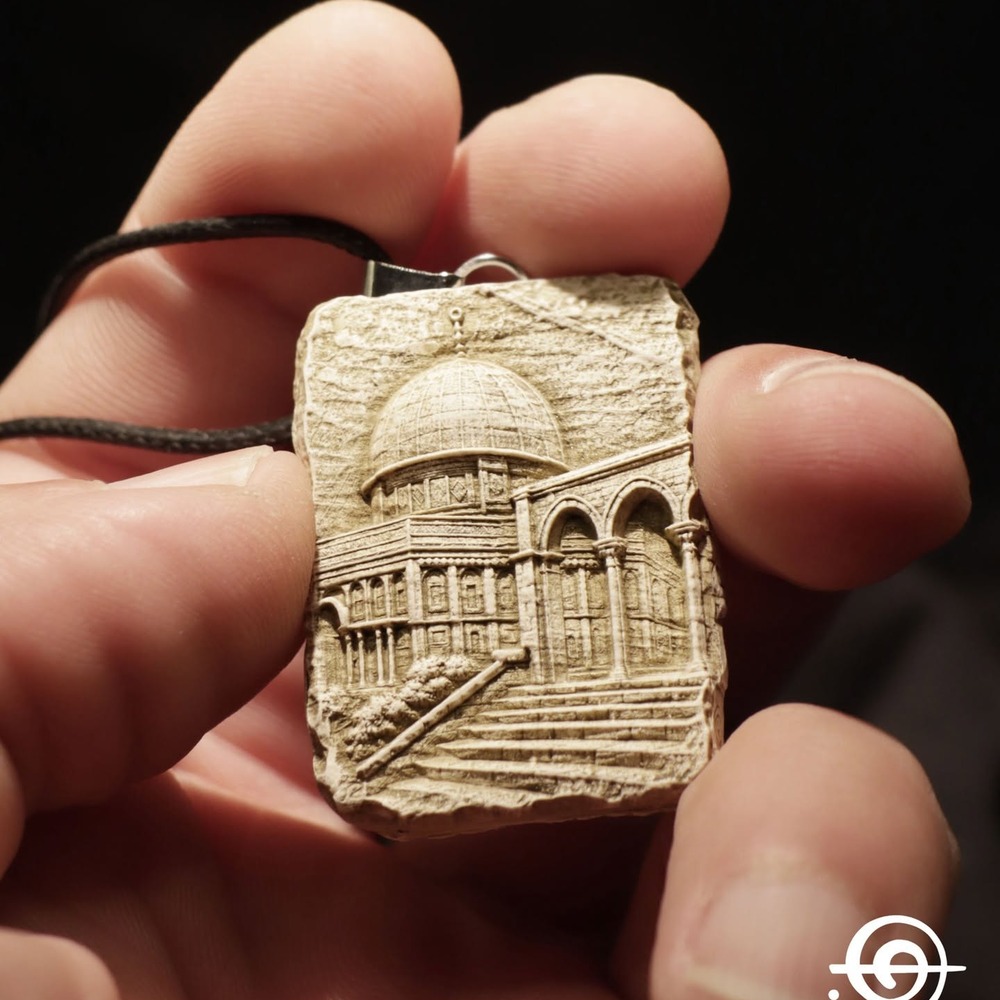
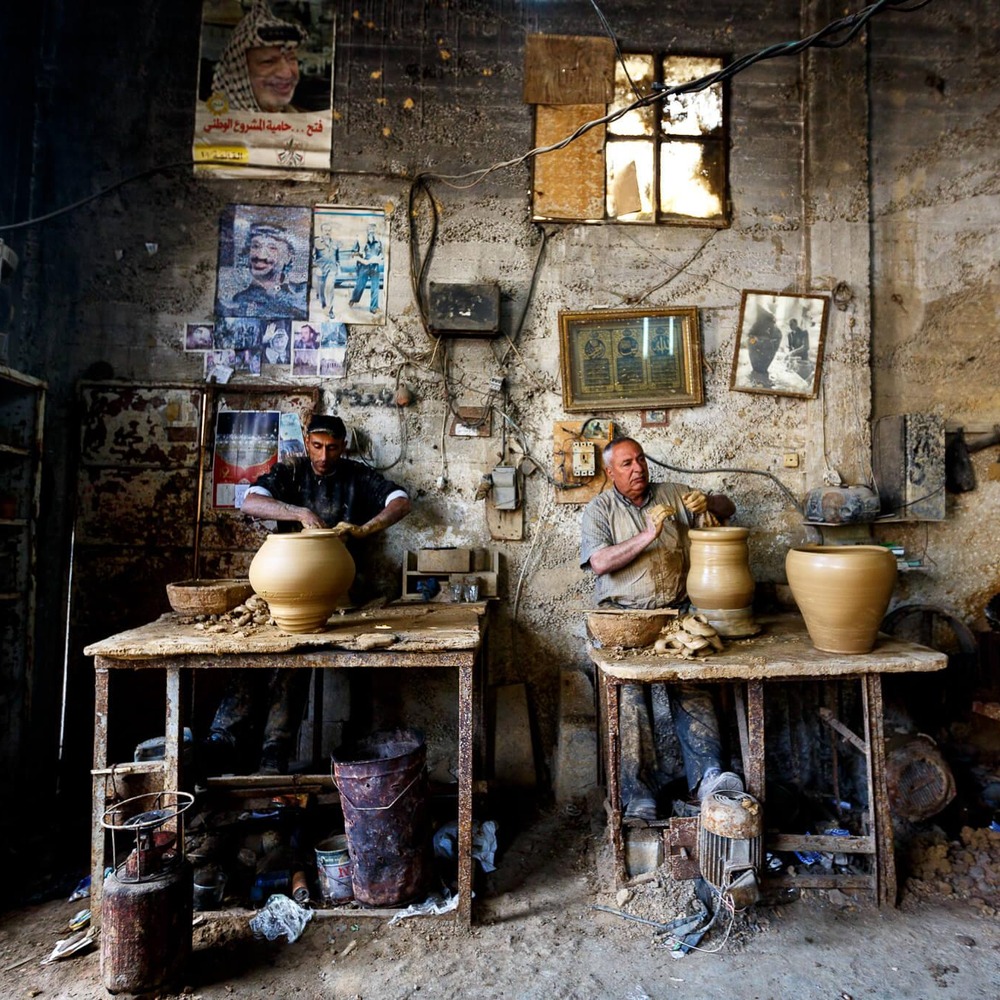
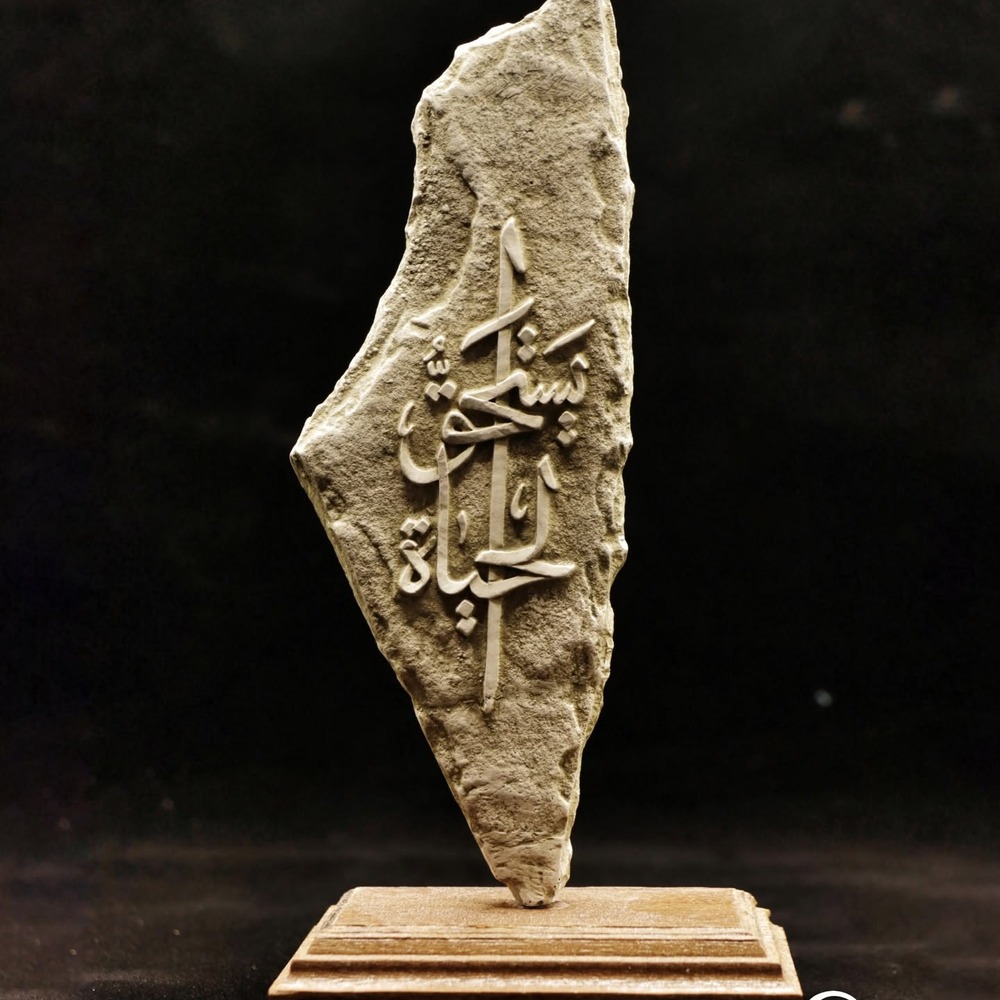
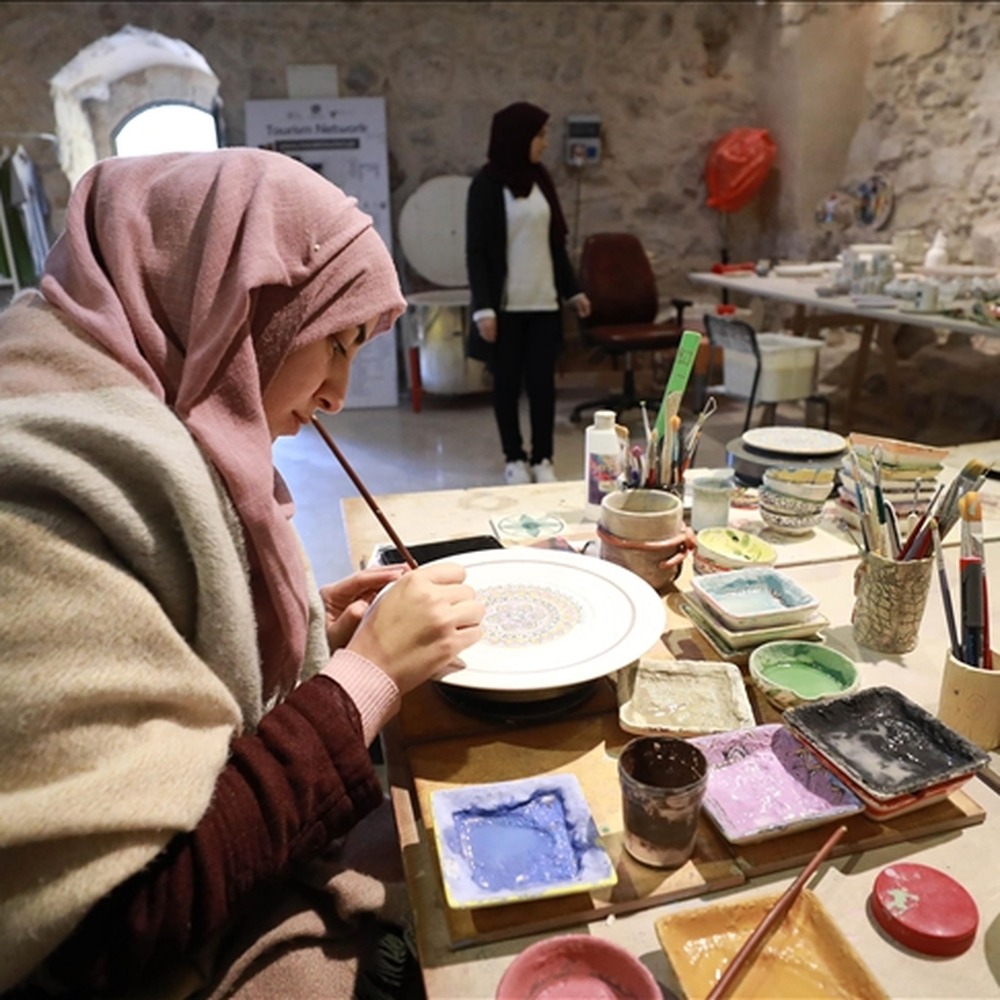
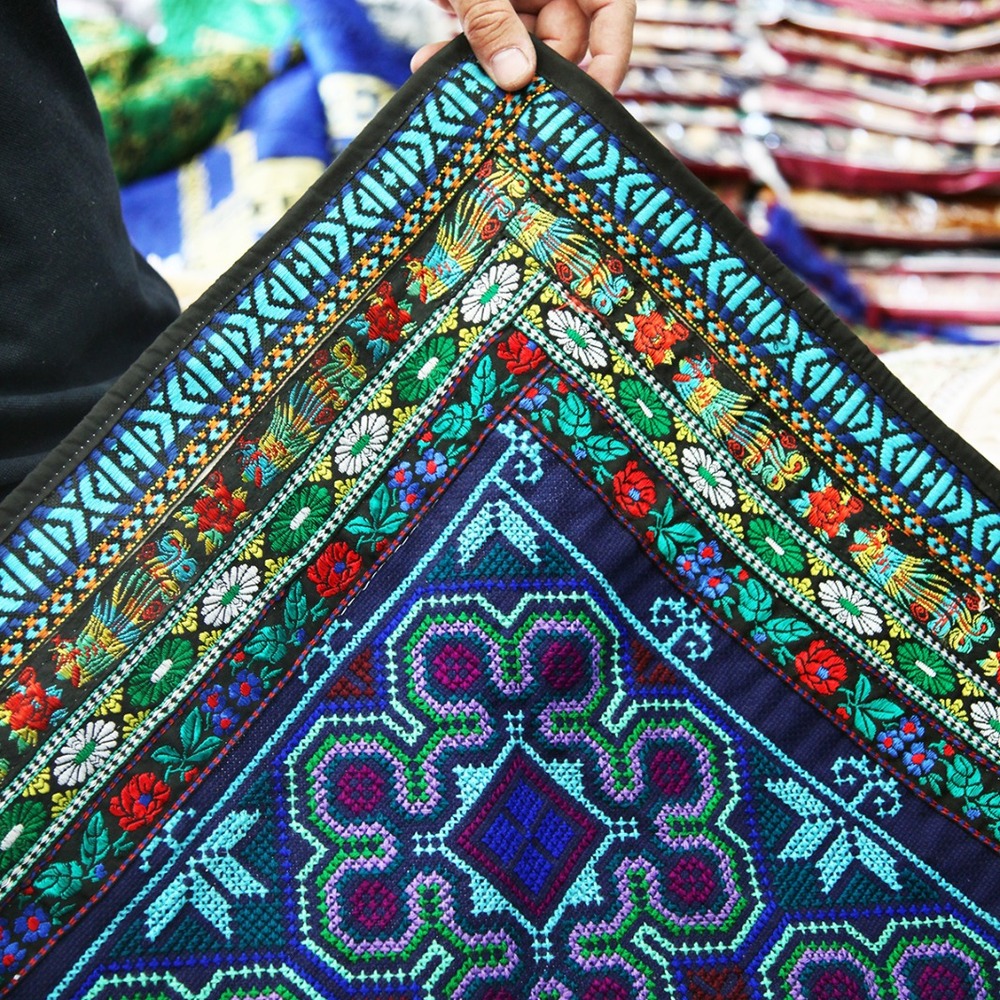
Crafts & Folks Art represent a celebration of human creativity, tradition and cultural heritage.
Events
News
Projects
Contacts
| COUNTRY | Palestine |
| AREA | 74 sq. Km |
| DENSITY | 2.713 inhabitants /sq. Km |
| COORDINATES | 31°31’N 35°05’E |
| FOCAL POINT | Ms. Hadeel Al Tamimi |
| ADDRESS | Faisal Street, Ein Kheir Al-Deen, Hebron |
| PHONE | 970 2-2228123 |
| creative_city_hebron@hebron-city.ps |